Bethany Beyond the Jordan: Visiting the Place Where Jesus Was Baptised
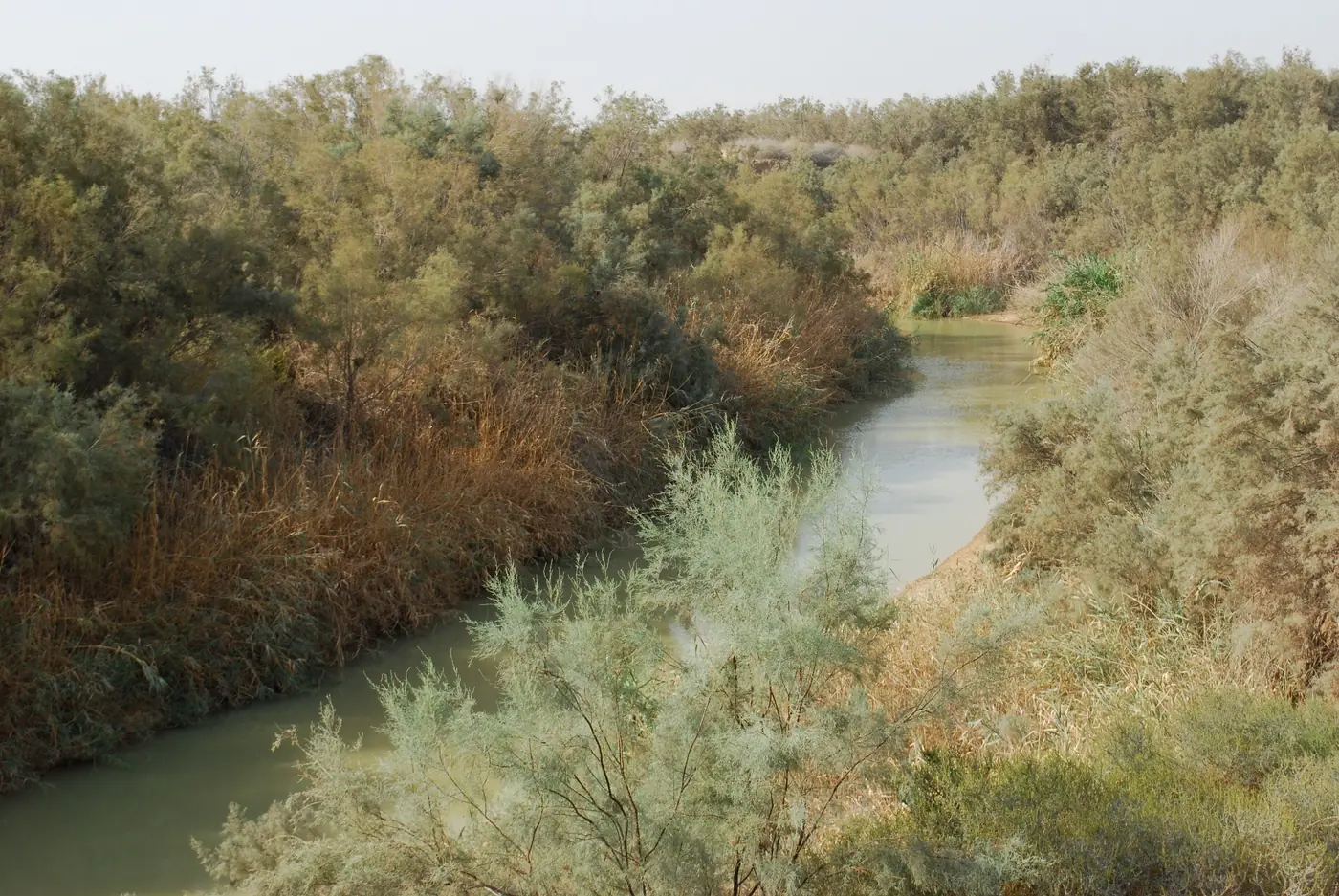
All four Gospels describe John baptising at the Jordan, and Matthew, Mark and Luke tell of Jesus coming to him there to be baptised. On the river's east bank, a short drive from Amman, Christians have honoured the place since the early centuries of the Church. Here is what the texts say, what has been found, and how a visit unfolds today.
What the Gospels say
Mark puts it simply: “Jesus came from Nazareth of Galilee, and was baptized of John in Jordan” (Mark 1:9). Matthew adds what followed: “And Jesus, when he was baptized, went up straightway out of the water: and, lo, the heavens were opened unto him, and he saw the Spirit of God descending like a dove” (Matthew 3:16).
John's Gospel gives the place: “These things were done in Bethabara beyond Jordan, where John was baptizing” (John 1:28). The King James Version reads Bethabara; most modern translations follow older manuscripts that read Bethany — hence the site's name, Bethany Beyond the Jordan.
What was found
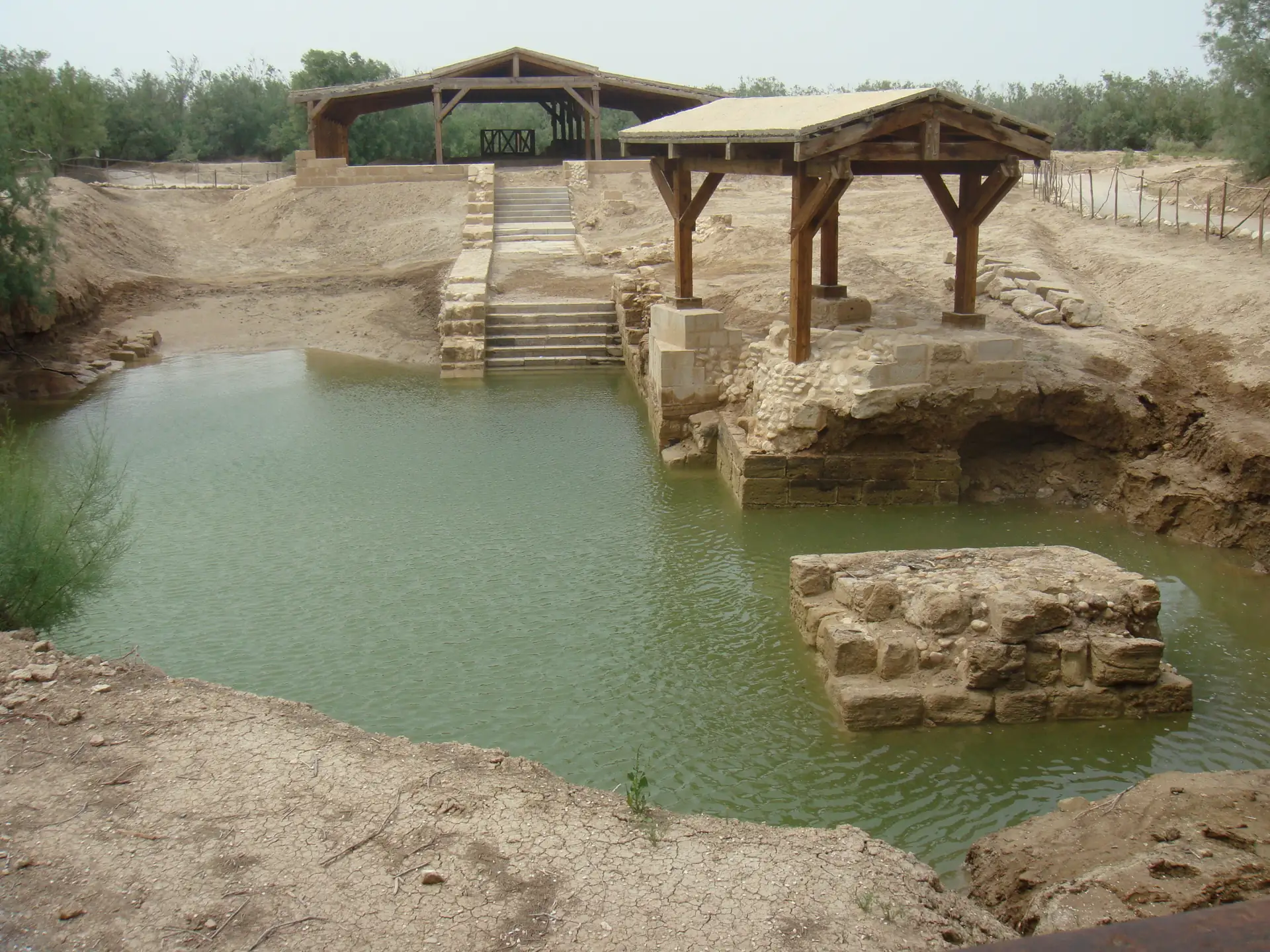
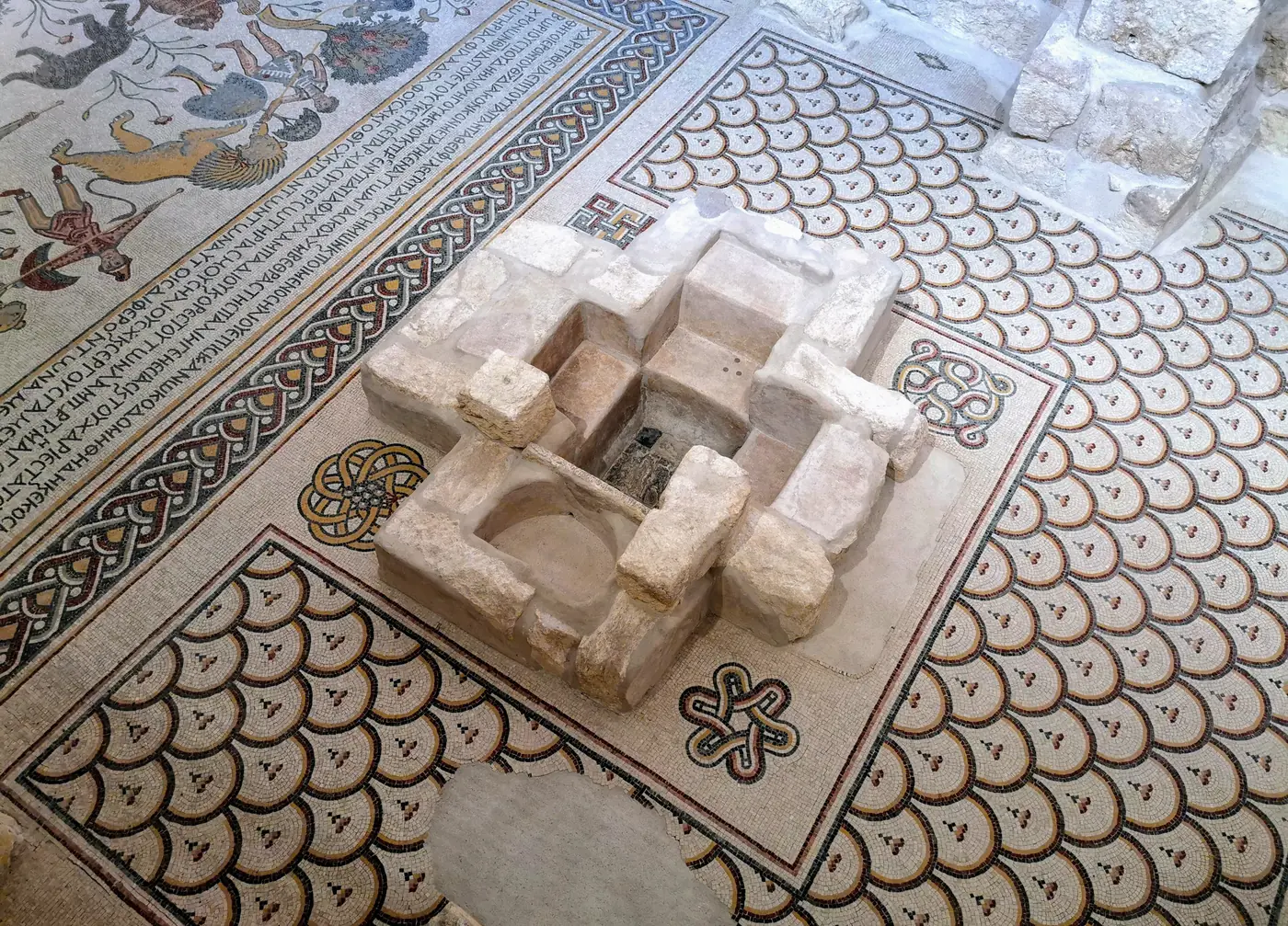
Pilgrims have honoured the site since the late Roman and early Byzantine periods. Excavations from 1996 to 2002 uncovered churches, chapels, a monastery, hermit caves, pools and pilgrim stations in two areas: Tell el-Kharrar, known as Elijah's Hill, and the churches of St John the Baptist near the river.
UNESCO inscribed the site on the World Heritage List in 2015. Its experts were candid that archaeology cannot prove the exact spot; what makes the place significant is that most churches accept it as the site of the baptism, and that pilgrims have come here for more than fifteen centuries.
Elijah's Hill
Second Kings tells how Elijah and Elisha came to the Jordan, how Elijah “took his mantle… and smote the waters”, and how the two crossed on dry ground before “Elijah went up by a whirlwind into heaven” (2 Kings 2:8, 11). Early Christian tradition linked the small hill of Tell el-Kharrar, on the east bank, with that ascension, and monks built there: a Byzantine monastery, chapels and large plastered pools have been excavated on the hill.
The Gospels draw the line between the two prophets themselves. The angel tells Zacharias that his son John “shall go before him in the spirit and power of Elias” (Luke 1:17) — and it is here, where Elijah was taken up, that John baptised.
Visiting today
Tickets are bought at the visitor centre, and a guide and shuttle bus are included: the ruins are spread over a wide area, so visits go by shuttle with a guided walk of about an hour. The path leads past Elijah's Hill and the Byzantine foundations to the river steps, with churches of several denominations close by.
The steps are the one place in Jordan where visitors can reach the river. You can touch the water, pray, and fill a small bottle to take home. Signs at the river discourage full baptisms; if your pastor or priest would like to lead a short service, we ask the site's administration in advance.
Dress modestly, with shoulders and knees covered. The site lies far below sea level and the paths are open to the sun, so bring a hat and water and go in the morning.
Where three popes have prayed
Pope John Paul II came in March 2000, during the Great Jubilee. Pope Benedict XVI followed in May 2009, and Pope Francis prayed at the site on 24 May 2014 during his pilgrimage to the Holy Land.
A moment at the river
Many groups stop at the water to read Matthew 3:13–17 aloud, and to renew their baptismal promises in prayer. However you mark it, leave time: after the shuttle and the walk, the few quiet minutes at the river are what pilgrims remember most.
Plan this trip
Explore the destination and its ready-to-book tour, or message us to customise your itinerary.